From Pain to Peace: Healing Rwanda Together
Rebuilding our nation through courageous stories of forgiveness.
Building Bridges of Reconciliation
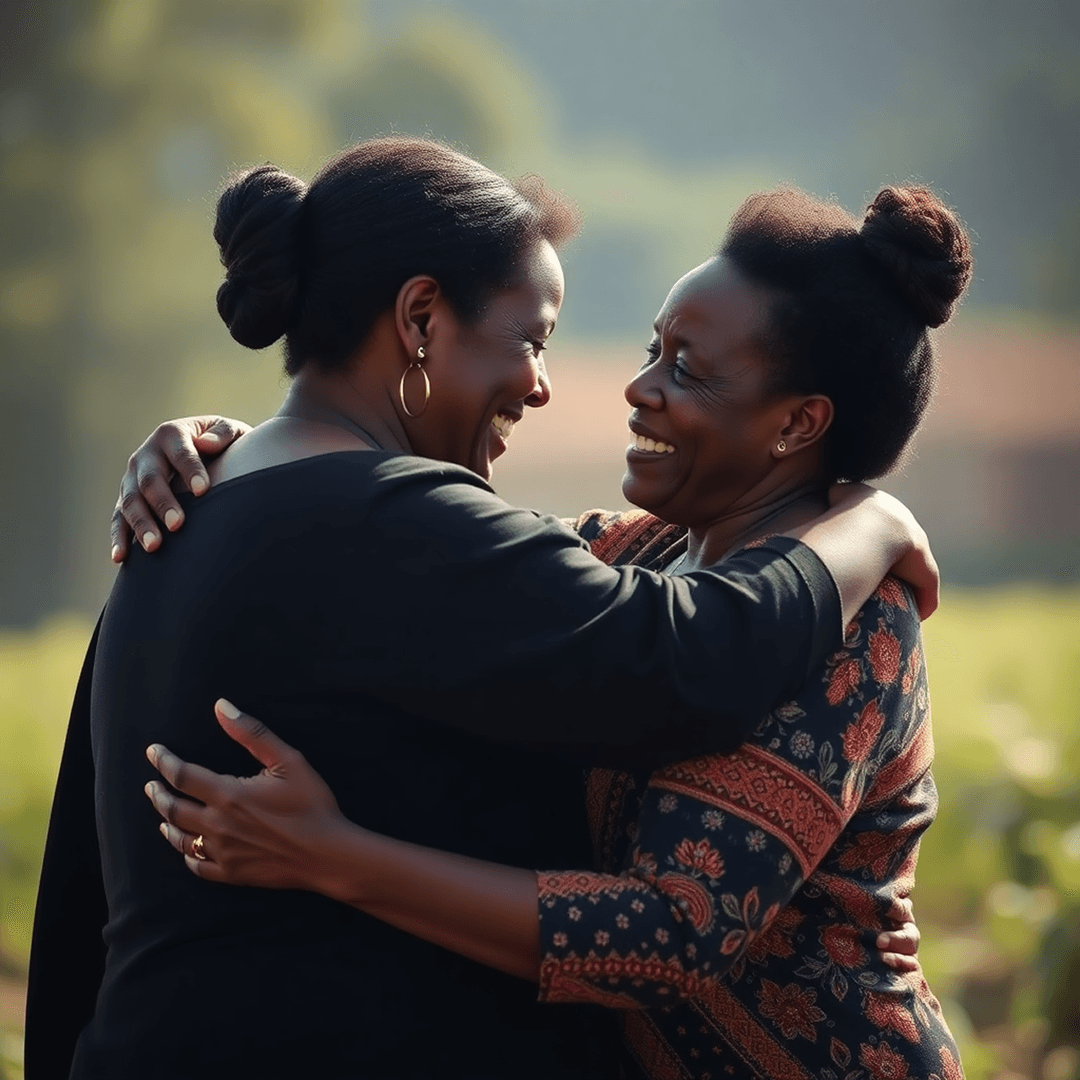
Fostering reconciliation between widows of the 1994 Genocide against the Tutsi and wives of men imprisoned for their role in the genocide. Through dialogue, healing retreats, and economic empowerment, we create spaces where forgiveness transforms communities and rebuilds the fabric of our nation.
Our journey
Founded in the aftermath
First reconciliation dialogue
National recognition
Our Programs
Comprehensive support for healing, reconciliation, and empowerment
Reconciliation Dialogues
Facilitated conversations that create safe spaces for survivors and perpetrators' families to share their stories and begin the healing process.
- Weekly dialogue sessions
- Trained facilitators
- Community integration
Healing Retreats
Multi-day retreats combining spiritual guidance, trauma counseling, and communal activities to foster deep emotional healing.
- Trauma counseling
- Spiritual support
- Group therapy sessions
Economic Support
Microfinance programs and vocational training that empower women to achieve financial independence and rebuild their lives.
- Microloans & savings
- Skills training
- Business mentorship
Stories of Transformation
"When we began to live together and meet in peace, our lives started to change. Before, even hearing someone mention their husband who was in prison would make me angry. But after forgiving, I began to live again. I found joy in community and purpose in helping others heal."

Secretary
"At first we were broken. Completely broken. Emotionally we were destroyed. But when we began learning, when we met the survivors in that group, something happened inside us. We realized we had to remove hatred and fear from our hearts. Slowly, the pain reduced. We started living again. We regained dignity in our hearts."
Team leader
"It changed how I interact with others, especially with those we once hurt. Today, we even marry into each other’s families. For example, my son married the daughter of a genocide survivor. We now have godchildren from those families. It gave us courage and helped us overcome fear. I am no longer the person I was. I feel peace in my heart."
Team leader
"In our relationships with others, we’ve made great progress. Even at the village level, when people face difficult situations, they say, ‘Call those from Ubutwari bwo Kubaho, they know how to resolve such matters properly.’ We handle conflict resolution in a peaceful and constructive way. We live harmoniously with others, and even those outside the program recognize it. We have become exemplary in how we interact with others in the country."
Advisor
"Emotionally, we healed. When I met survivors and shared honestly, the emotional wounds in my heart were healed. Economically, we raise animals, save money in groups, pay for health insurance, wear decent clothing, and eat well. Even our grandchildren are studying. We are proud parents and grandparents contributing to our country."
Team leader
"It helped me develop economically. We were given livestock. That was development. Once I have enough, I will help others too. They also taught us hygiene, how to wash clothes, keep clean, and bathe. That’s another form of development. We were taught how to speak respectfully, how to resolve conflict peacefully. We even joined a microfinance institution called RIM, where we got loans to buy beans and grains. We repaid with interest, and it changed our lives."
Team leader
"During the genocide commemoration period (Icyunamo), we carry out specific activities. In our interactions, we visit genocide survivors and provide them with support. We gather together and offer assistance, not just to one individual, but to many. During every Icyunamo, we always come together to support people. We collect food or tools and donate them according to the person's identity, condition, and specific needs."
Executive
"We’re growing old, and we want to leave a legacy. That’s why we formed two groups: Inyange and Urumuri. We decided that our journey of unity and reconciliation should not end with us. We wanted our children and grandchildren to continue. So we created Inyange Cooperative for women and Urumuri for the youth."
Inyange and Urumuri
"Inyange and Urumuri are formed primarily by the children of Ubutwari Bwo Kubaho members. Some are educated and others are uneducated. We made sure both kinds could participate, those who had the chance to go to school and those who did not. That diversity is our strength."
Inyange and Urumuri
"Inyange is a cooperative where members, mostly the children of the original members,practice saving, small business, and agriculture. It keeps the economic benefits of reconciliation alive."
Inyange and Urumuri
"Urumuri means ‘light.’ It is a youth group where younger members learn our songs, our stories of reconciliation, and how to carry this peace forward. They perform dramas, poems, and visits to other communities to teach peace."
Inyange and Urumuri
"When you see Urumuri meeting, you see the young generation learning the meaning of reconciliation, of working together. They know that what divided us before must never return. We teach them through actions, through joint savings, visits, and community work."
Inyange and Urumuri
"Inyange and Urumuri are like two seasons of the same tree. We are the roots, they are the fruits. We gave birth to this light, and now they will make it shine further than we ever could."
Inyange and Urumuri
Our Milestones
Recognized nationally and internationally for our pioneering work in reconciliation

National Unity and Reconciliation Award
Presented by Her Excellency First Lady Jeannette Kagame in recognition of our extraordinary contribution to healing Rwanda.
Our Partners
Working together to build a reconciled nation

Caritas Internationalis
NURC

International NGOs
Join the Journey of Peace
Your support transforms lives and builds a reconciled nation.
Volunteer
Join our local programs and facilitate healing dialogues in your community.
Donate
Sustain our forums and support circles that bring healing to hundreds.
Invite a Speaker
Bring a powerful testimony to your community, school, or organization.
Partner with Us
Join our local programs and facilitate healing dialogues in your community.
Our Library of Hope
Access our photo galleries, video stories, press publications, and toolkits for replicating our reconciliation model.
Video Stories
Watch powerful testimonies and documentary footage of our reconciliation journey.
Watch Videos →Publications & Toolkits
Download research papers, training manuals, and implementation guides.
Download PDFs →Contact Us
Contact Us
Contact Us
info@ubutwaribwokubaho.rw
Phone
+250 78 8639 721
Location
Butare, Huye District, Southern Province, Rwanda
Office Hours
Monday - Friday: 8:00 AM - 5:00 PM Saturday: 9:00 AM - 1:00 PM